
Oxygen Adsorbent Molecular Sieves for Drying Purifying Dehydration and Separating
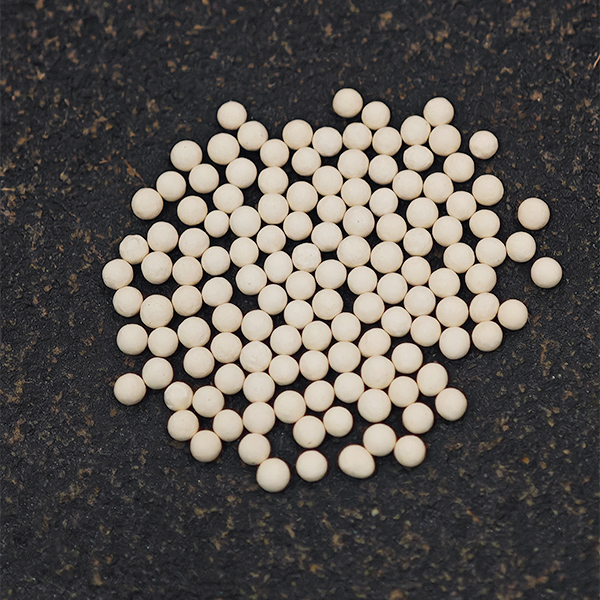
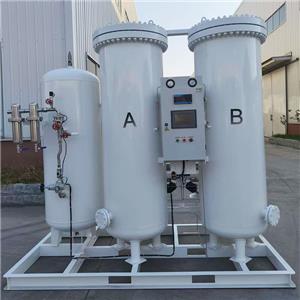
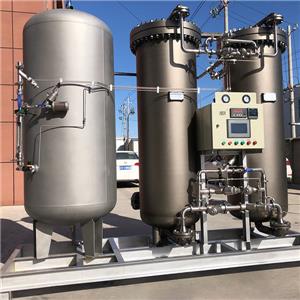
High-efficiency oxygen-generating molecular sieve is the core consumable of pressure swing adsorption (PSA) oxygen generation devices.With excellent separation performance and stable service performance, it has become the preferred product for various oxygen generation scenarios.
Introduction to Oxygen-Producing Molecular Sieves
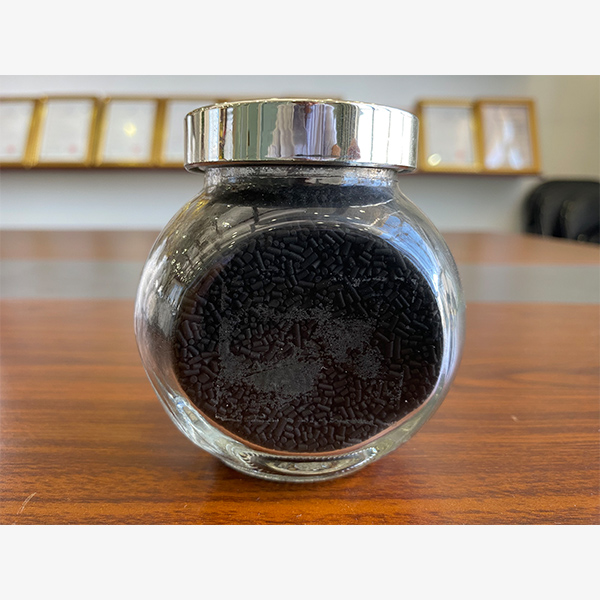
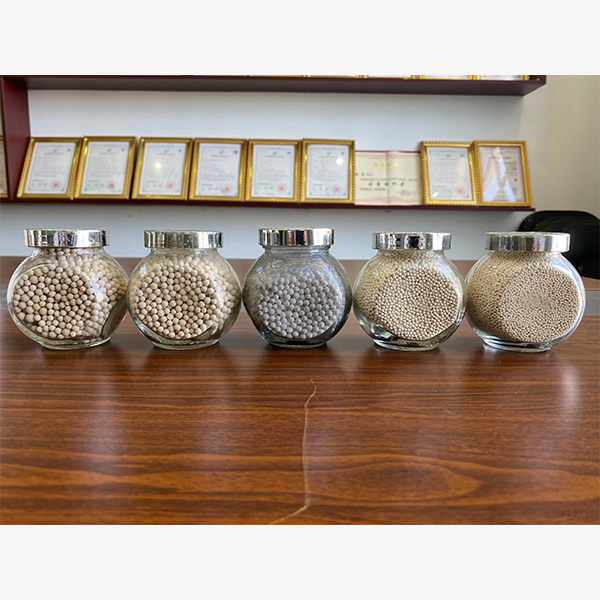
High-efficiency oxygen-generating molecular sieve is the core consumable of pressure swing adsorption (PSA) oxygen generation devices. With excellent separation performance and stable service performance, it has become the preferred product for various oxygen generation scenarios. Its core advantages can be summarized as: large nitrogen adsorption capacity, high nitrogen-oxygen separation coefficient, excellent desorption performance, along with strong wear resistance and long service life. Furthermore, it can significantly reduce oxygen generation energy consumption and equipment operation costs, and improve economic benefits of the equipment.
Compared with ordinary oxygen-generating molecular sieves, the performance advantages of high-efficiency oxygen-generating molecular sieves are particularly prominent: its nitrogen adsorption capacity is 2-3 times higher than that of ordinary models, which can adsorb nitrogen in mixed gases more quickly and fully, greatly improving oxygen purification efficiency; the nitrogen-oxygen separation coefficient can reach about twice that of Type A oxygen-generating molecular sieves, with higher separation accuracy, which can stably produce high-purity oxygen to meet the stringent requirements of different industries. In addition, the molecular sieve has excellent desorption performance, which can be quickly desorbed and regenerated after adsorption saturation without complex operations, effectively ensuring the continuous and stable operation of the oxygen generation device.
In terms of service durability, the high-efficiency oxygen-generating molecular sieve has good wear resistance, which can resist air flow impact and particle friction during oxygen generation and reduce loss; at the same time, it has strong chemical stability and a service life far longer than ordinary molecular sieves, which can greatly reduce the frequency of consumable replacement and maintenance costs. Based on the above advantages, the oxygen generation device adopting our company's high-efficiency oxygen-generating molecular sieve can significantly reduce energy consumption investment, reduce equipment operation and maintenance expenses, and greatly improve the user's economic benefits in long-term use.
The overall performance of our company's high-efficiency oxygen-generating molecular sieve has reached the international advanced level, with a wide range of applications. It can be perfectly adapted to industrial scenarios such as iron and steel, non-ferrous metallurgy, and chemical production, and can also be applied to fields such as furnace energy-saving transformation, environmental protection governance, papermaking, and aquaculture. At the same time, it also plays an important role in oxygen-generating equipment in the medical and health industry, providing efficient, energy-saving and stable oxygen supply solutions for various industries.
Performance and Parameters
Testing Item | Spec | Results | Testing Method or Conditions |
Eq. Water Adsorption (%wt) | ≥29.50 | 30.65 | RH 75%, 25℃ |
Eq. N2 Adsorption (NL/Kg) | ≥8.00 | 8.6 | 760mmHg, 25℃ |
Separation Coefficient | ≥3.00 | 3.15 | — |
Static CO2 Adsorption (%wt) | ≥19.80 |
20.15 | 250mmHg, 25℃ |
Crushing Strength (N/Granule) | 25±3 | 25.1 | Avg. 25 beads |
Settled Density (g/ml) | 0.62-0.68 | 0.638 | Settled |
Loss on Attrition (%wt) | ≤0.30 | 0.018 | — |
Particle Ratio (%) | ≥97.00 | 99.46 | Filtrated by Standard Sieves |
Loss on Ignition (%wt) | ≤1.00 | 0.78 | 575℃, 1hr |
Adsorption Isotherms of N2 and O2 by Oxygen-Producing Molecular Sieves
Taiyan Adsorption isotherms of oxygen-producing molecular sieves | ||
Adsorbent pressure (mmHg) | N2 adsorbing capacity (ml/g) | O2 adsorbing capacity (ml/g) |
5 | 0.118 | 0.0442 |
50 | 0.6941 | 0.2085 |
100 | 1.3515 | 0.3931 |
200 | 2.6298 | 0.7657 |
300 | 3.8642 | 1.125 |
400 | 5.0506 | 1.4833 |
500 | 6.201 | 1.8426 |
600 | 7.3105 | 2.205 |
700 | 8.3898 | 2.5601 |
760 | 9.026 | 2.7737 |
Packaging
55-gallon sealed steel drums, lined with aluminum foil bags, with a net weight of 125 kilograms per drum.
10-gallon sealed steel drums, lined with aluminum foil bags, with a net weight of 25 kilograms per drum.